
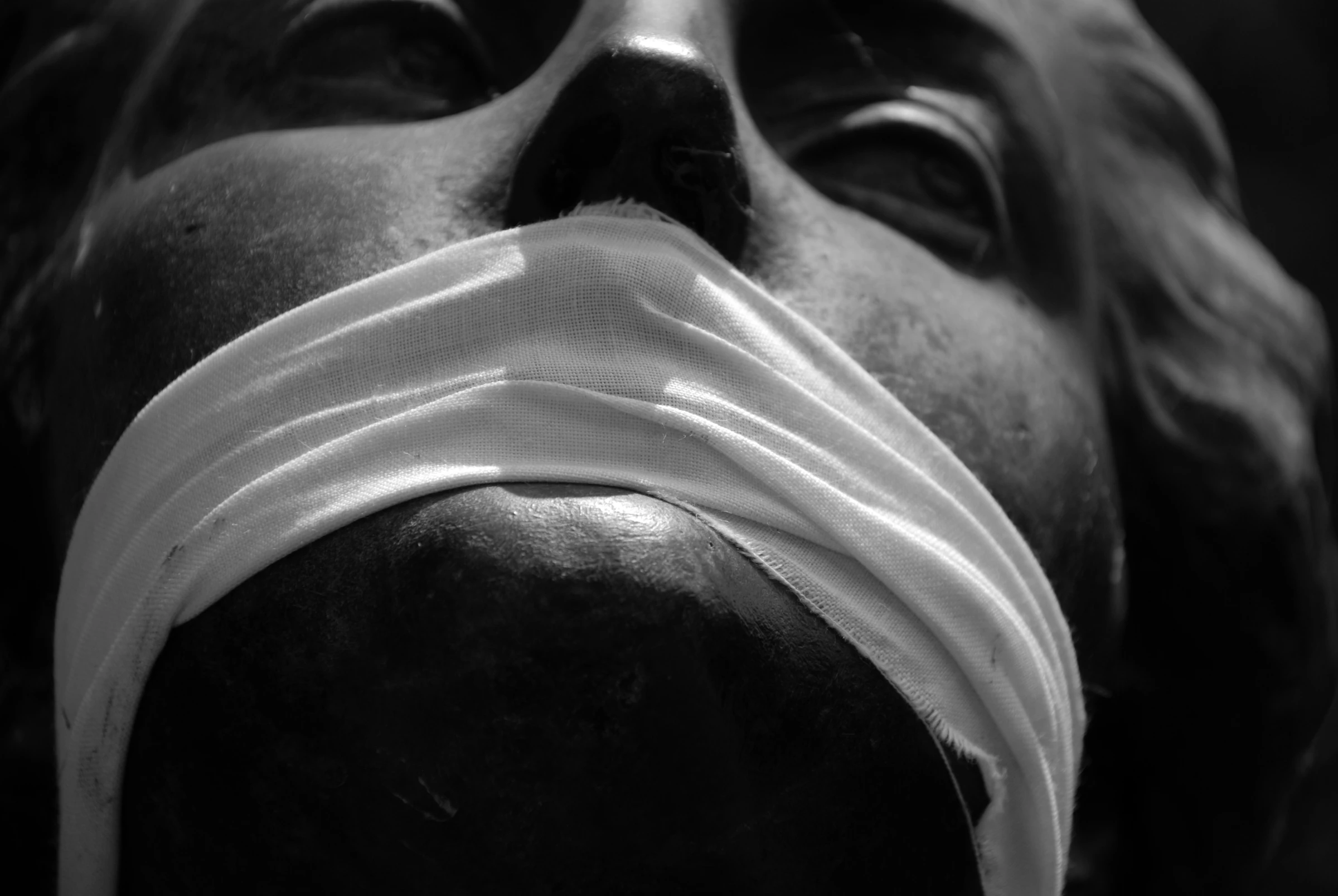
There’s a word for administrations that look to silence voices and opinions they don’t agree with: fascism. I’ve long known the people who are in charge of softball in Ireland are morally and ethically bankrupt… and now they’ve actually written it down in their official complaints policy.
10. COMPLAINTS, DISCIPLINARY PROCEDURES AND APPEALS 10.8 Public Complaints: If a complaint has been made public (e.g., through social media, public forums, or other external communication), it must be publicly retracted before it can be formally addressed at any level. This ensures a fair and unbiased resolution process.
— in the Softball Ireland Regulations, revised 28 March 2025
Here in the European Union (EU), we have what’s called a Charter of Fundamental Rights. In that charter, Article 11 states: “Everyone has the right to freedom of expression. This right shall include freedom to hold opinions and to receive and impart information and ideas without interference by public authority and regardless of frontiers.”
What Softball Ireland has consciously done is to deny its members these rights which are guaranteed by the EU, and this I will not abide. Not only does it not achieve the stated desire to “ensure a fair and unbiased resolution process”, it discourages speaking out all all, and oppresses any criticism of the governing body. Requiring a public retraction is targeted and punitive, attacking anyone who would dare to publicly hold and express an opinion counter to what Softball Ireland may like. This policy only serves Softball Ireland, allowing it to operate without oversight, and without any possibility of transparency.
Is it the case that complaints procedures will halt when there are public statements made about such a complaint? This could easily be manipulated to the benefit of abusers.
No fair or unbiased resolution process can be based on silencing an individual’s freedom of expression.
I want to know who authored this change, and I want it removed from the Softball Ireland regulations. It is morally and ethically repugnant; and while likely not “illegal” (as Softball Ireland is not a public body), if there were any need to challenge this policy in any court in the EU, such a challenge would be successful.
Importantly, it shows the lack of moral and ethical responsibility the Softball Ireland governing body shows its members. While this does not surprise me based on my experiences, I would hope it surprises others. Whomever included this policy in the regulations, in March 2025, should be named, and that person should hang their head in shame.